
Stumped by Tree Troubles? We're Here for You! - Get Your FREE Estimates!

Stumped by Tree Troubles? We're Here for You! - Get Your FREE Estimates!

 By
Big Easy Tree Removal
By
Big Easy Tree Removal  Oct 22, 2025
  0 Comments
 Bumps in a tree, dead or hanging branches, uneven growth, or branches growing too close to a building or power lines are all common signs that trimming may be needed. Other indicators include damage from pests, disease, or storms.
Addressing these issues promptly with Big Easy Tree Removal helps prevent hazards, promote healthy growth, and enhance your property’s appearance. Know these signs so you can determine the best time to call in our professionals. Let us help you keep your trees healthy and your property safe. Contact us today to schedule your expert tree care service. Your landscape will thank you for it.
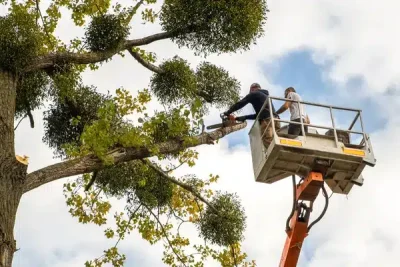
Determining when to hire a professional to trim your tree(s) is essential for your safety, the health of your tree(s), and the aesthetic of your property. To help determine if you should be hiring a pro, here are some signs to look for:
Dead or overgrown branches expose trees to a variety of risks. Branches or limbs growing too close to power lines or roofs can be particularly dangerous, as they can cause injuries and fires. A congested canopy, with branches that are intertwined, limits the wind and sunlight a tree needs, which can also cause stress on a tree.
Too much shading from overgrown branches can damage nearby plants or your lawn by taking away their sunlight. Branches hanging into walkways, driveways, or other people’s properties are a hazard.
Mangled limbs are usually the first worry. Dead branches that hang loose after storms can drop without warning, endangering anyone nearby. Brittle limbs that break with the slightest pressure are an additional warning sign, typically a symptom of rot or poor condition.
Exposed fungal mats or branch rot indicate internal damage. Splits or sudden drops in massive limbs may be indicators of structural stress, which needs expert care to avoid disaster.
Structural problems can undermine a tree’s firmness. Leaning trees are a sign of compromised roots or foundation, and are potentially hazardous in high winds. Cracks, especially ones that occur between significant branches in the trunk, are signs of internal injury.
Hollow areas in the trunk weaken its structural stability. An uneven canopy may mean that poor balance is putting extra stress on the tree. Let trees with weak roots or root rot be inspected immediately, as these are the ones likely to topple.
Diseases and pests can take a major toll on trees. Discolored leaves, premature leaf drop, or an absence of blooms over several seasons are indications of bad health. Girdling or defoliation of trees can occur as a result of Kong beetles, aphids, or caterpillars.
Fungal diseases or rot on the trunk or branches indicate severe decay. If any sawdust from a pest or small holes are found in the bark of a tree, at least some sort of pest activity is ongoing that can compromise the structural integrity of the tree.
Trees growing too close to buildings, fences, and other structures can become a hazard to them and create obligations for surrounding property owners as they grow and drop debris.
Branches that extend too close to utility power lines can also cause serious problems, such as power outages or fires, especially when storms bring them down onto the lines.
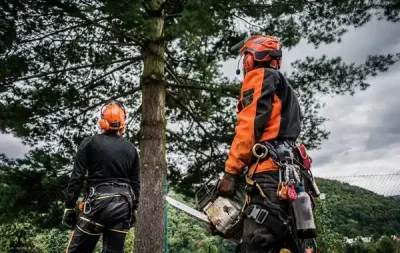
Choosing the right tree care expert is an important decision to make for your trees’ safety, their health, and their survival. Here are several factors to guide your decision:
The first is to verify the expert’s experience, especially with your particular species or problems in your region. Seek out ISA Certified Arborists—those letters after a name represent serious training and testing.
Request references and take the time to read online reviews of their past work. Seek patterns of comments about professionalism, punctuality, and outcomes.
For example, did former clients cite the expert’s knack for identifying dangers, like weak limbs that might topple in storms? Great feedback on emergency response times or off-hours availability is a bonus, as tree damage tends to be somewhat unforeseen.
Make sure the expert has liability insurance and property damage coverage to protect you in case something goes wrong. This is especially important when heavy machinery or risky tree removals are involved.
Also, check that their certifications are up to date, as many require renewal every five years to maintain high standards. Current credentials show their commitment to staying informed on best practices and safety.
Tree care protects your property and shows it at its best; it’s not always a do-it-yourself job. Being aware of when to call in the pros can free up your time, make your life easier, and avoid costly mistakes.
Don’t wait to give your trees the care they need; reach out to us at Big Easy Tree Removal. Our team is ready to keep your landscape safe, healthy, and beautiful.

We’re grateful for all feedback. Here is what our Big Easy Tree Removal customers are saying:


